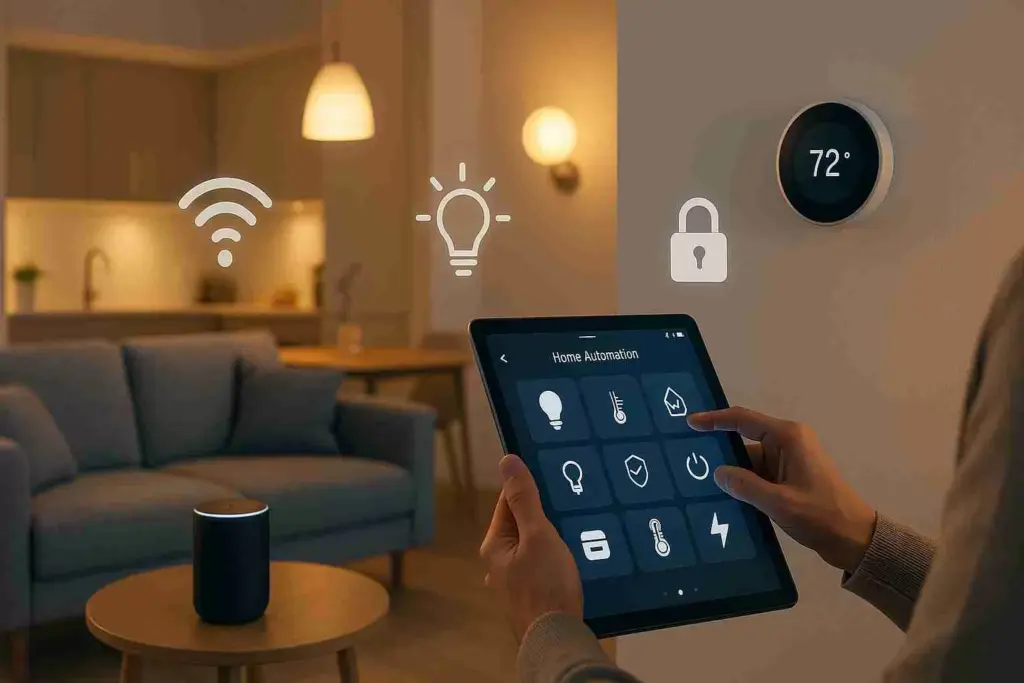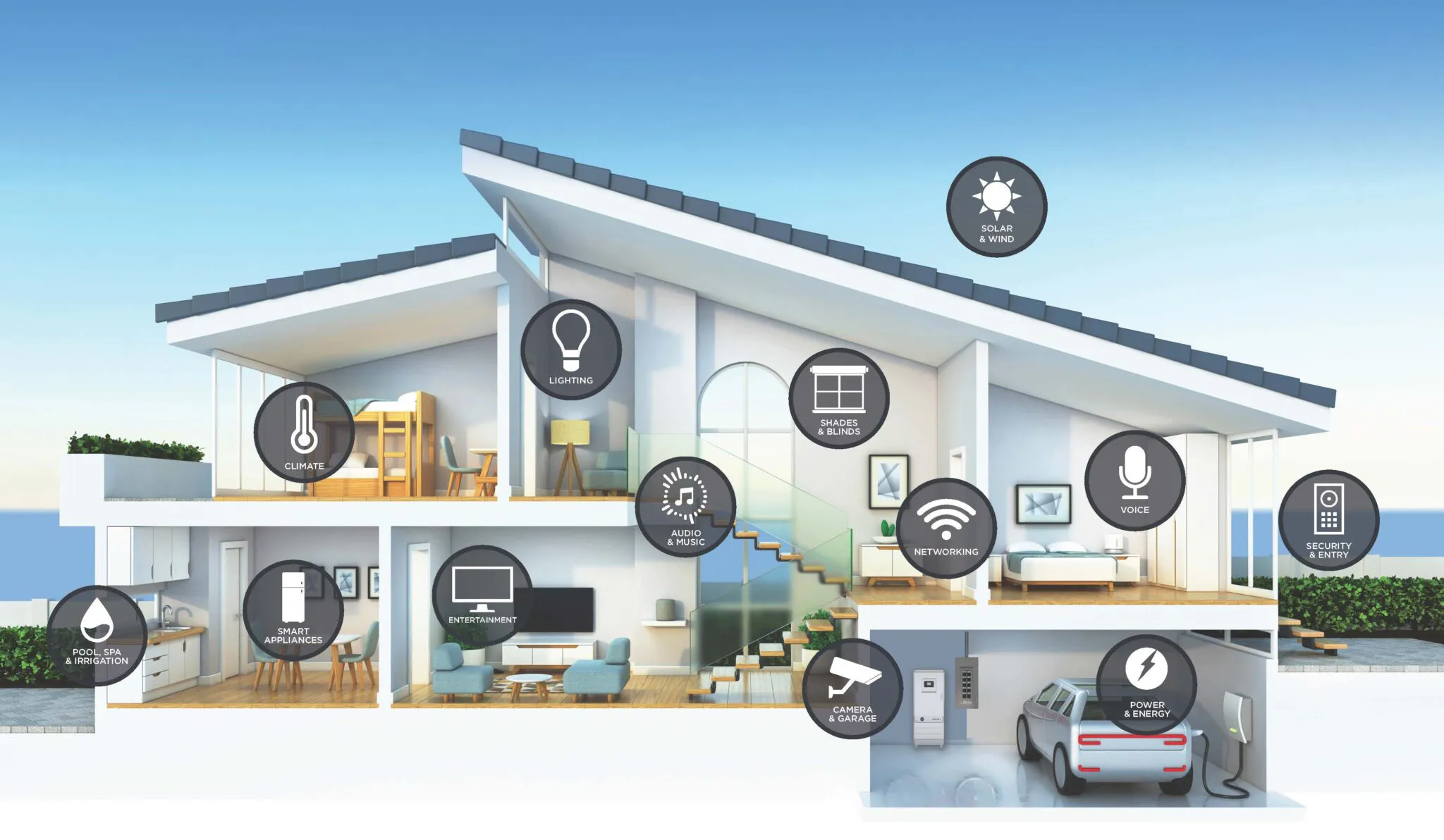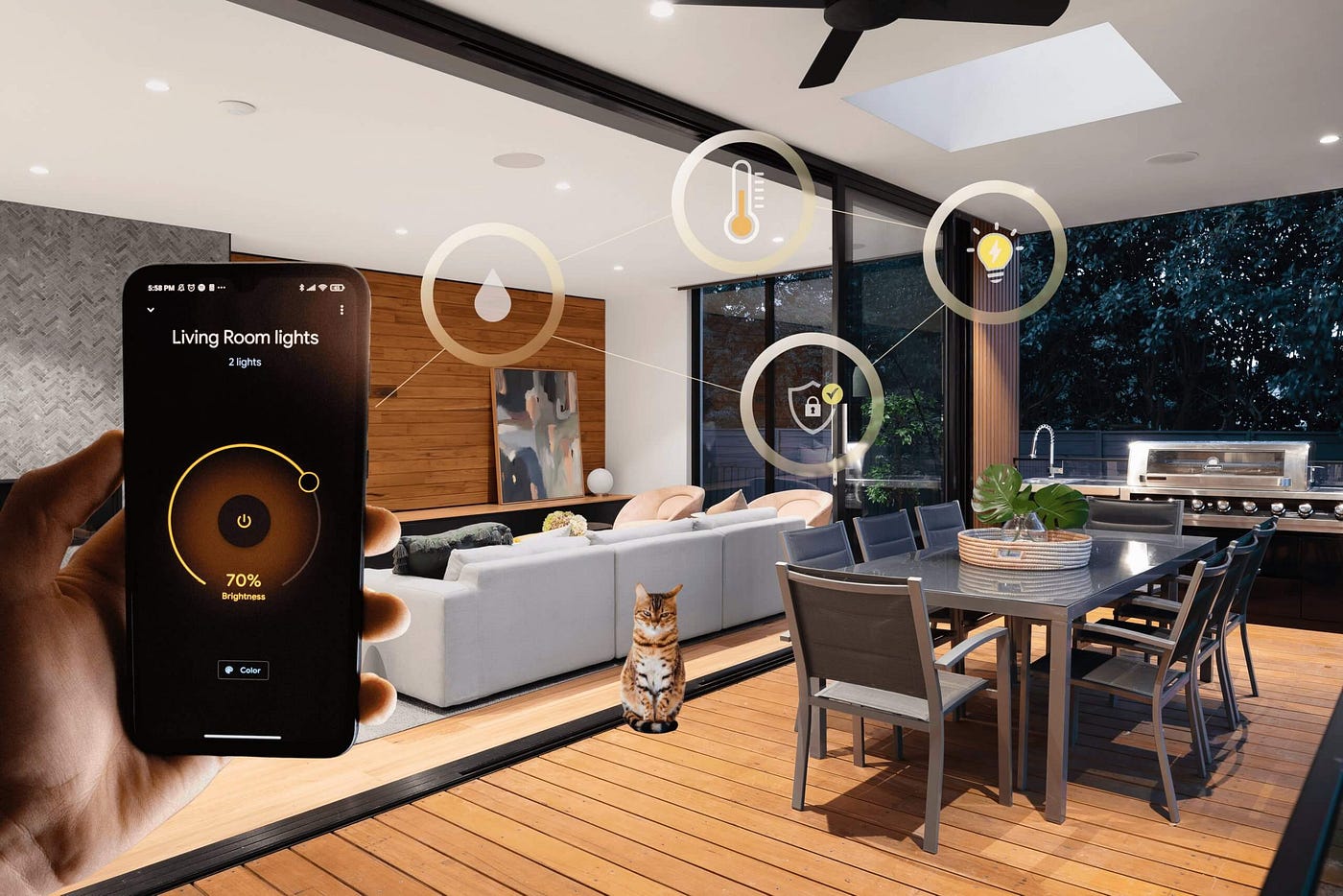
The contemporary home is not just an assortment of bricks and mortar, but a digital ecosystem that is awaiting rediscovery. You may have seen films that use a simple voice command to dim the lights or activate the coffee maker, and you might have thought this kind of luxury was reserved for the most affluent or tech-savvy. The reality is quite different and more accessible. Making a smart living space isn’t about purchasing expensive, exclusive systems that require professionals to install them. It’s about understanding the basic, effective concept of taking control of your home into your hands.
This article explores the fascinating world of DIY smart technology. We will explore the fundamentals of what these systems can communicate about, the countless advantages they provide to your daily life and the ways to begin building your own network now. At the end of the course, you’ll realise that an intelligent home is not an accessory, but a lifestyle change that you can create yourself, just one step at a time.
Understanding the Core of Home Automation
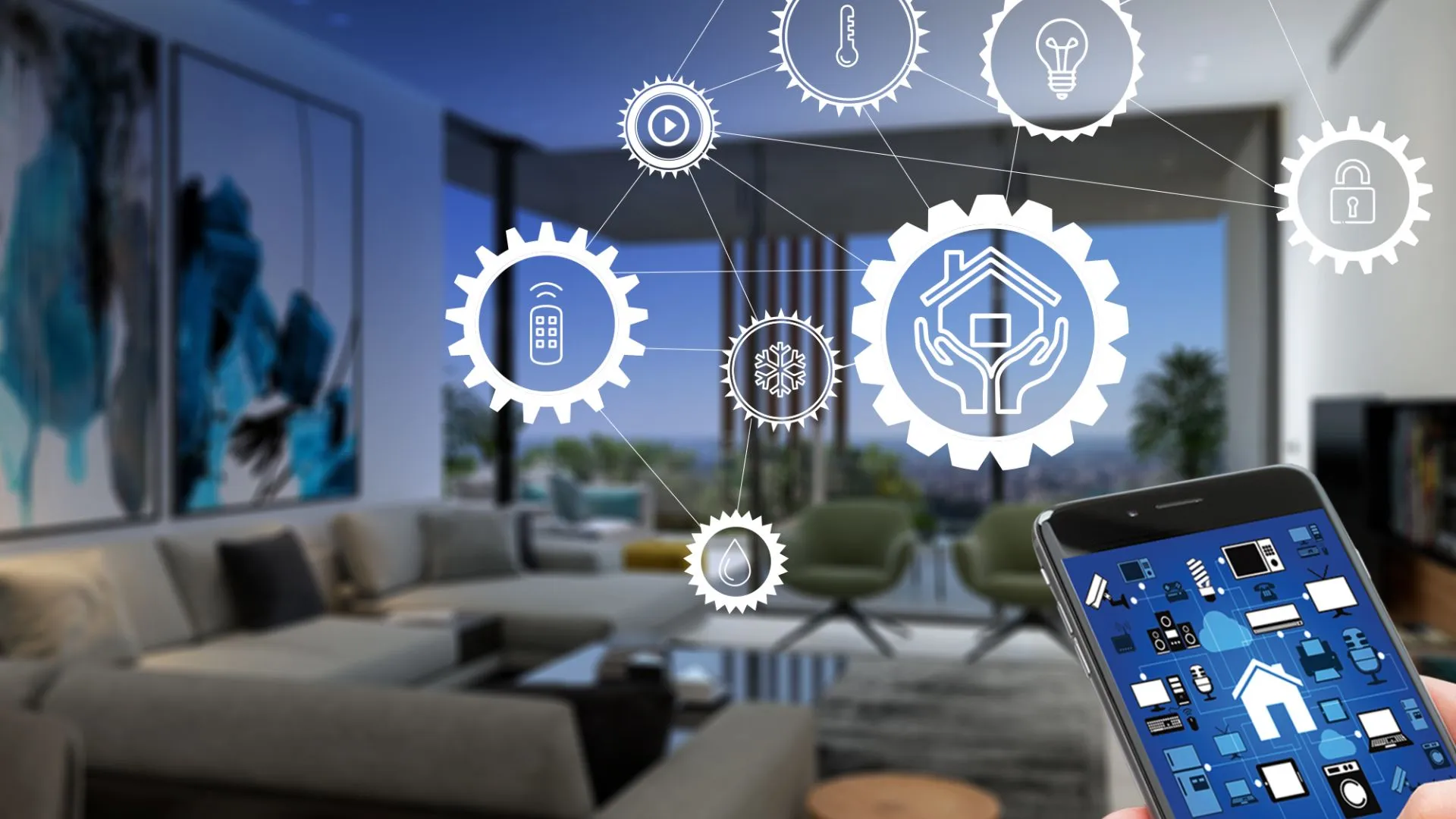
At its core, home automation is an act of connecting all devices in your home to the internet, which allows devices to talk with one another and also with you. If you’ve heard the term”home automation,” it refers to this interconnected network of sensors, appliances and controllers. The aim is to reduce human effort and maximise efficiency. Instead of having to walk from room to room in order to turn off the lights, one command does everything; instead of worrying about whether you’ve locked your front door, your phone will verify it for you.
The magic happens through hubs and protocols. Consider protocols as the language that your devices use. A few common languages include Wi-Fi, Zigbee, and Z-Wave. Wi-Fi is a power-hungry, but widely used, technology, while Zigbee, as well as Z-Wave, are low-power, efficient mesh networks specifically designed for smartphones. Hubs function as traffic and translators. It receives your request and converts it into the proper language, and then sends it to the device you want to send it to. If you choose to take on a DIY project, selecting the correct hub and making sure that your devices can communicate with each other is the first step.
DIY gives you more granular control than the pre-packaged systems, which often lack such options. You’re not tied to one brand or monthly subscription. You can mix the smart bulb of one manufacturer with motion sensors from a different manufacturer as long as they both connect to the central hub. The flexibility of this is the real potential of constructing it yourself. You become the architect of your own design, making every interaction precisely what you and your family members live.
The Tangible Benefits of a Smart Ecosystem
Why should anyone be concerned about the hassle of establishing their own home system? The reason lies in the significant effect it can have on security, comfort, and energy efficiency. The most immediate benefit is comfort. Benefit. Imagine waking up to a cold winter day. Instead of shivering at the thermostat, the home automation system had already adjusted the temperature 30 minutes prior to the time your alarm was set to go off. Your blinds slowly open to let in more light, and your favorite morning playlist plays quietly in your kitchen. The seamless integration of technology into your daily routine takes the stress out of your day.
Security is a major reason for the adoption. Traditional security systems are reactive, sounding an alarm when an incident occurs. A smart security system is proactive. It can mimic your presence by turning off and on the lights in random patterns during your vacation. Motion sensors can send immediate alerts to your mobile when activity is detected in the backyard at odd times. Video doorbells let you communicate with visitors from any location around the globe. This level of security gives security that traditional deadbolts and locks simply cannot compare to.
Energy efficiency is the area where the system usually earns itself a profit. Smart thermostats are able to learn your habits and adjust cooling and heating so that you don’t have to sanitise an empty home. Smart plugs can cut off power to energy vampire devices that consume power even when they are turned off. Automated lighting will ensure that no bulbs are left burning in a room that is not being used. In time, these minor adjustments can result in huge savings on energy bills and make the investment you make in home automation economically sound and practical.
Essential Components for the DIY Enthusiast
Beginning your journey requires the following essential hardware components. The most crucial part is your central controller, or hub. For the serious DIY enthusiast, software platforms such as Home Assistant or OpenHAB are extremely popular. These open-source platforms run on cheap hardware such as the Raspberry Pi. They offer unbeatable compatibility that allows users to connect thousands of gadgets from hundreds of brands. Contrary to commercial hubs that rely on cloud-based services, local solutions protect your data and ensure that your smart home’s functionality even when the internet is down.
Lighting is often the initial step for novices because the results are immediate and visually satisfying. There are two options in this regard. It is possible to replace the bulbs by using smart bulbs or switch the switches on your wall. Smart bulbs are simpler to install, but they can be irritating if someone switches the switch that controls the bulb and cuts the power to the bulb. Smart switches require basic electrical wiring knowledge, but provide a more seamless experience as the switch is still functioning normally. Both switches allow you to create scenes, for instance, the movie mode, which will dim the light to 20 per cent warm white.
Sensors are eyes and ears for your home. Sensors that detect contact will inform you when a door or window is unlocked. Motion sensors detect movement in a room. Sensors for temperature and humidity monitor the conditions. Leak sensors will warn you of water in your basement’s floor or under the sink. These tiny, battery-powered devices act as triggers for the automation of your rules. For instance, an example rule could say that when the motion sensor within the hallway senses motion between five and midnight, the lights in the hallway should be switched on at 10 per cent brightness.
Setting Up Your First Automation
The process of setting up may be a bit daunting, but it follows a clear path. Start by installing the hub, and then connecting it to your network. After the hub has been brought up and running, it is time to pair your devices one at a time. This typically requires putting your device in pairing mode and telling the hub to look for any new hardware. When the device is found, and you assign it a sensible name, such as Living Room Lamp or Back Door Sensor. Naming conventions are crucial because they can help you organise the device as it expands from five devices up to fifty.
Once you connect your devices, the fun begins when you create automations. An automation is comprised of the trigger, a condition and an action. The trigger determines the moment that begins the process, like the setting of the sun or the door opening. The condition can be an additional filter that can be used, for instance, only in the event that I am not at home. The action you want the system to perform, such as switching on the porch lights. The majority of hubs utilise an easy-to-use interface in which you drag and drop elements to create your logic.
The most well-known first-time project is the arrival routine. It is triggered by your smartphone connecting to the Wi-Fi at home network or entering an area that is geofenced around your home. The reason could be that it’s after sunset. The best way to get rid of it is to open the door to your front, switch on the lighting for the entryway and adjust the thermostat to the desired setting. The process of achieving this level of coordination feels like magic the first time you try it. It confirms the notion that your home is doing its best to welcome you back without even lifting one finger.
The Role of Voice Assistants
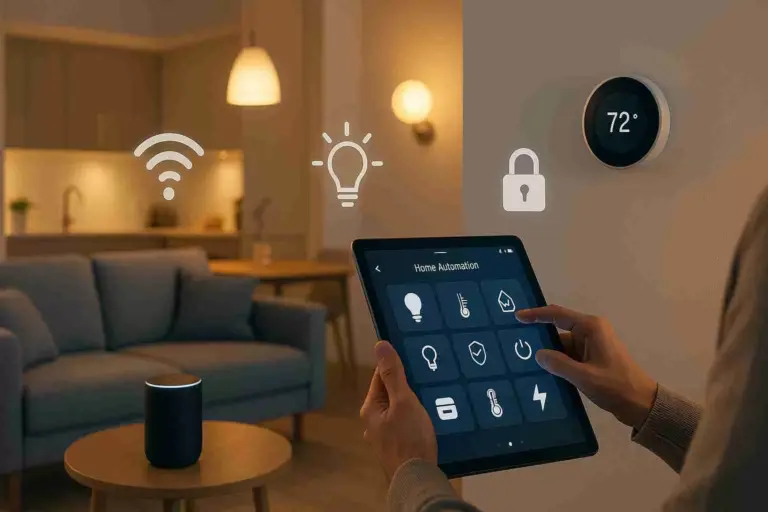
While an individual hub is the central point of the process, voice assistants are usually the main interface. Devices such as Amazon Echo or Google Nest are technically smart speakers, but they’ve become integral in the experience of home automation. They allow you to use your hands to make commands. It is much easier to speak an order when your hands are full of grocery items than pulling out the phone to launch an app. Voice assistants are able to bridge the gap between complex backend logic and human interaction.
Connecting voice control to your hub requires connecting your hub to your account with the voice assistant. Once connected, your voice assistant will see all devices that are connected to the hub. You can create rooms or groups inside the app for a voice assistant. This lets you use natural voice commands. When you use an Echo in the kitchen, and you say ” Switch off the lights, ” it is aware that you are talking about the kitchen lights due to the way you have grouped the gadgets. This contextual awareness makes the conversation feel natural and not robotic.
However, reliance on voice assistants does introduce cloud dependency. The majority of voice processing occurs via the manufacturer’s servers, not locally on your device. If you are experiencing internet issues, your voice commands may not work even when your local hub is functioning well. This is why a solid DIY system employs voice as a convenient layer over local control, not as the sole method to operate the home. Physical switches and sensors with automated functions are the main method of control, and voice should serve as a useful addition.
Advanced DIY Projects and Logic
Once you’ve mastered the fundamentals, you are able to begin to explore more complicated scenarios. Advanced home automation extends beyond the simple logic of if-this-then-that to state-based automation. It means that the system is able to identify the particulars of the house. In this instance, it will be able to tell if the house is in “Night Mode,” “Guest Mode,” or “Vacation Mode.” Motion sensors that are placed in your living space can turn on the lighting during the day and dim it when evening comes. Additionally, in the event that your home enters “Vacation Mode,” an alarm may be triggered.
Energy monitoring and load balancing programs can be very complicated. You can connect energy monitors to your electrical panel to track exactly how much energy your home consumes in real time. If you’re using solar panels, you’ll be able to set up appliances that consume high amounts of energy, like the washing machine or dishwasher, to only operate when solar power is high, reducing your dependence on grid power. It requires more advanced logic and possibly some custom scripting; however, the savings in efficiency are significant.
You can also incorporate media into your automations. By using software such as Plex or connecting to smart TVs, you could build a “Cinema Mode.” When you begin watching a film, it automatically dims the lighting, reduces the blinds, and maybe even activates an illuminating bias in front of the television to lessen eye strain. If you stop the movie to grab some food and eat, the lights will automatically dim to help you focus. These features transform a typical living room into a home theatre experience.
Addressing Privacy and Security Concerns
Home automation is not a topic to be discussed without addressing the big issue that is privacy. The introduction of microphones and cameras that are connected to the internet into your private space carries inherent dangers. Commercial platforms often collect information on your habits of use to improve their services or to target advertising. Data collection is an exchange for the convenience of cloud services. However, the DIY route is a great alternative for those who are concerned about privacy.
Utilising local hubs and preventing internet access for specific devices, you can secure your data within your personal four walls. You can set your firewall to block your smart bulbs from “phoning home” to servers in other countries. You can save footage of your security cameras on your local hard drive rather than uploading it to a cloud-based subscription service. This requires more caution and knowledge of networking, but it will ensure that your personal life is kept private.
The security of the network itself is crucial. Smart devices are computers, even small ones, and are susceptible to hacking if they are not properly secured. Best practices include setting up separate guest networks to protect your IoT (Internet of Things) devices. This keeps them separate from your personal devices, like phones and computers, in case an IoT device is compromised, hackers are unable to easily access your banking details from your laptop. Continuously updating the firmware and using secure, unique passwords for each service are essential for smart home administrators.
Troubleshooting and Maintenance
Adopting a DIY system means that you are also the main maintenance person. There are times when things fail. A device could be removed from the network, a battery could fail, or a software update could break an automation. Troubleshooting is an essential part of the sport. It requires patience and a desire to learn. The community of home automation is large and extremely helpful. Chat forums and chat rooms are overflowing with people who have encountered and resolved the same problem you’re experiencing.
Regular maintenance ensures that your system remains in good condition by checking the sensors’ batteries every few months and updating the software on your hub. It is also advisable to back up the configuration data. If your hub’s SD card or hardware fails, having a backup version can allow you to quickly restore the entire system in minutes rather than spending weeks or months building it from scratch. Think of your home’s smart features like a garden plot requiring regular attention in order to produce fruits of convenience, yet worth every bit of your efforts.
Keep a record of your configuration. It can be easy to forget how you set up complex automations one year later; keeping a notebook on your computer to list your devices, their IP addresses, and the reasoning behind your most essential automations will make recalling them much simpler in future years. This information is essential in the event of a move or if someone else is required to handle the system while you are away.
The Future of Your Smart Home
The technological landscape is constantly changing, and home automation isn’t an exception. New standards, such as Matter, are emerging that promise even greater compatibility among different brands. Matter is striving to establish itself as a universal language understood by all devices, which will eliminate the need for workarounds and make your DIY experience even more satisfying. When building your device, be mindful of industry trends; doing so will allow you to make wise purchasing decisions for future purchases.
Artificial Intelligence is becoming an increasingly important player. Instead of programming each rule explicitly, future systems could observe your behavior and suggest automated solutions based on it – the house may notice you switching on the kitchen light at 6 PM every evening, then offer to automate it for you; or detect when an HVAC system cannot achieve its set temperature, telling you when maintenance should be scheduled before failure occurs – taking us from reactive programming towards proactive intelligence as the next step.
Smart homes are an ongoing project that grows alongside you. Starting with just one light bulb or plug, your collection quickly grows into something that anticipates your requirements – the satisfaction of walking into an environment designed just for you is undeniable; few other hobbies offer such a combination of logic, creativity, and practical utility!
Summary
Beginning the process of DIY automated home systems is an investment in your life’s quality of living, providing the power to control your surroundings, improve security and cut energy consumption on your terms. While learning technical skills may initially seem intimidating, their modularity enables you to start small before expanding according to personal needs. It is not necessary to be an expert in computer science in order to create a smarter home. You only need curiosity and the desire to try new things. As you incorporate more devices and fine-tune your automation, you’ll discover that the technology fades into the background, leaving you with an environment that works better. The stress of everyday chores decreases, giving you more time to concentrate on the things that really matter. So, get the first smart hub, plug into the first smart bulb and begin the first step towards a home as smart as it is warm. The future of living will be automated, and the best method to enjoy the future is to create it yourself.
FAQ’s
Do I need to be a computer expert to set up my own home automation system?
Not at all. While some advanced setups can get technical, many modern DIY home automation devices are designed with beginners in mind. Most smart bulbs, plugs, and cameras come with user-friendly apps that walk you through the setup process step-by-step. You just need a smartphone, a reliable Wi-Fi connection, and a willingness to learn.
Will smart home devices slow down my Wi-Fi network?
They can, but it depends on how many devices you have. A few smart bulbs and a speaker won’t make a noticeable difference. However, if you plan to add dozens of devices, it might congest your network. To avoid this, many enthusiasts use a dedicated hub (like one that uses Zigbee or Z-Wave protocols) which creates a separate network for your smart devices so they don’t compete with your phone or laptop for Wi-Fi bandwidth.
What happens to my smart home if the internet goes down?
It depends on how your system is set up. Cloud-based devices (like many voice assistants or budget Wi-Fi cameras) may lose functionality and remote control capabilities. However, if you use a local hub or controller, your local automations—like motion sensors turning on lights—will usually keep working even without an active internet connection.
Can I mix and match different brands of smart devices?
Yes, but you need to check for compatibility. This is often where a central “hub” or platform comes in handy. Platforms like Google Home, Amazon Alexa, Apple HomeKit, or Home Assistant act as a middleman, allowing a smart light from Brand A to work seamlessly with a motion sensor from Brand B. Always look for the “Works with…” badges on packaging to ensure compatibility.
Is it expensive to start a smart home project?
It doesn’t have to be. One of the biggest advantages of DIY automation is that you can start small. You can begin with a single smart plug (often costing less than $15) or a smart bulb. You don’t need to outfit your entire house at once; you can build your system piece by piece as your budget allows.