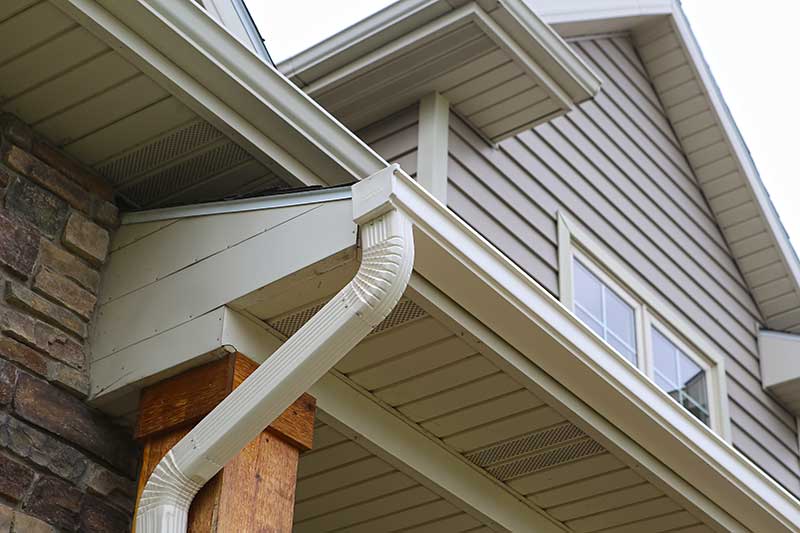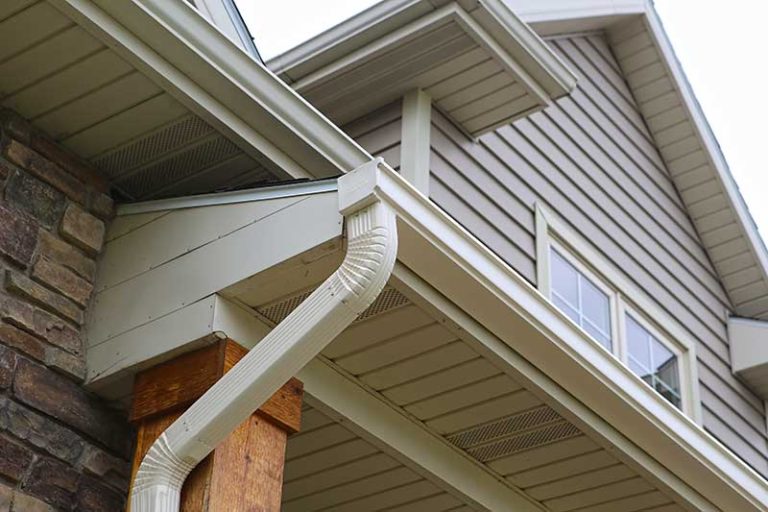
Installing rain gutters is among the best ways to safeguard your property from water-related damage. Gutters that are properly installed direct water away from your walls, roof, foundation, landscaping, and even the foundation. Many homeowners rely on the services of a professional Rain Gutter Services, understanding that the process of installing them can help you make better decisions, whether you’re planning to install them yourself or employ experts. This guide explains how you can install rain gutters step-by-step with easy language and useful tips.
Why Rain Gutters Are Important for Your Home
Rain gutters play a crucial function in controlling water flow during storms. Without them, rainwater flows directly onto the roof and causes soil erosion and basement leaks, cracks in foundations and even damages to siding. As time passes, these issues can be costly to fix. Gutters that are properly installed safeguard your investment and prolong the lifespan of your house.
Professional Rain Gutter Services often recommend regular inspections since an insignificant installation error could result in water leaks or even sagging. Understanding the fundamentals of installation will help you know what a high-quality job looks like.
Choosing the Right Type of Rain Gutter
Before installation can begin, choosing the correct gutter type is crucial. Aluminum gutters are the most sought-after choice due to their lightweight, rust-proof, and cost-effective properties. Vinyl gutters are simple to install and are less expensive; however, they can break in extreme temperatures. Steel gutters are durable and durable, but they require more care to avoid corrosion.
Seamless gutters are made to order and minimize the risk of leaks. That’s the reason why many homeowners choose the services of a professional Rain Gutter Services for this option. Sectional gutters, on the contrary, are made in sections and are better suited to be installed by DIY.
Measuring and Planning the Gutter Layout
Accurate measurements are essential to the success of an efficient rain gutter installation. Begin by taking measurements of the length of every edge of the roof on which gutters are to be installed. Be aware of the roof angles, corners and areas in which water naturally flows.
The location of downspouts is just as important. Downspouts must direct water 5 feet away from the foundation. The majority of Rain Gutter Services recommend one downspout for every 30 – 40 feet of gutter in order to guarantee proper drainage. Planning this layout in advance will prevent water overflow and further adjustments.
Preparing Tools and Materials for Installation
Installing rain gutters is a simple process that requires tools, such as a ladder, drill, measuring tape, sealant, and level. You will also require gutter sections, hangers, end caps, elbows, downspouts, and screws. Safety is essential; make sure the ladder is safe and is placed on a level surface.
Homeowners who opt for professionals for Rain Gutter Services benefit from skilled installers with special devices and equipment for safety. This can result in a quicker installation and fewer mistakes.
Setting the Proper Gutter Slope
The most crucial steps to follow when installing rain gutters are establishing the correct slope. Gutters should be slightly angled towards the downspouts to ensure that water flows freely. As a rule of thumb, the gutter should drop about 1/4 inch for every 10 feet.
To accomplish this, position the mark at the top of the gutter run slightly inboard and unspool the marks down to the downspout. Pro Rain Gutter Services is pitched by masters, meaning your gutters will never have water or debris sitting stagnantly in them.
Installing Gutter Hangers and Supports
Gutter hangers hold up your gutter; they keep it from folding under the weight of debris and rain. Every 2′, hangers are hung from the fascia board to provide it a rock-solid ‘seat’. Secure them by using screws to ensure stability for the long term.
Wrong spacing is a common DIY error. This is the reason Rain Gutter Services emphasizes correct hanger placement, particularly in areas with snow or heavy rainfall.
Attaching the Gutter Sections
After the hangers have been put set after which, the gutters can then be connected. Be sure to carefully fit each section to the hangers, making sure they fit perfectly. Seal all seams and joints by using waterproof sealants. This will avoid leaks.
For sectional gutters that overlap, joints should be sealed completely. Seamless gutters remove this requirement, and are the primary reason why many homeowners opt for the services of a professional Rain Gutter Services for installation.
Installing End Caps and Downspout Outlets
End caps seal off the ends of gutters and must be sealed with a strong sealant. Downspout outlets are located at the bottom of the slope of the gutter. The outlets join the gutter and downspouts, which allows water to flow down efficiently.
Incorrect outlet placement could lead to water overflow in heavy rain. Rain Gutter Services carefully inspects these areas to ensure the proper alignment and seal.
Installing and Securing Downspouts
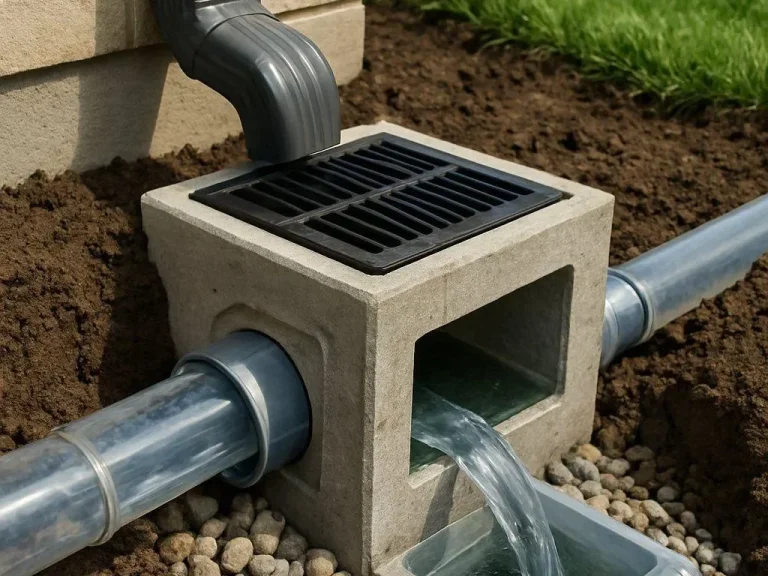
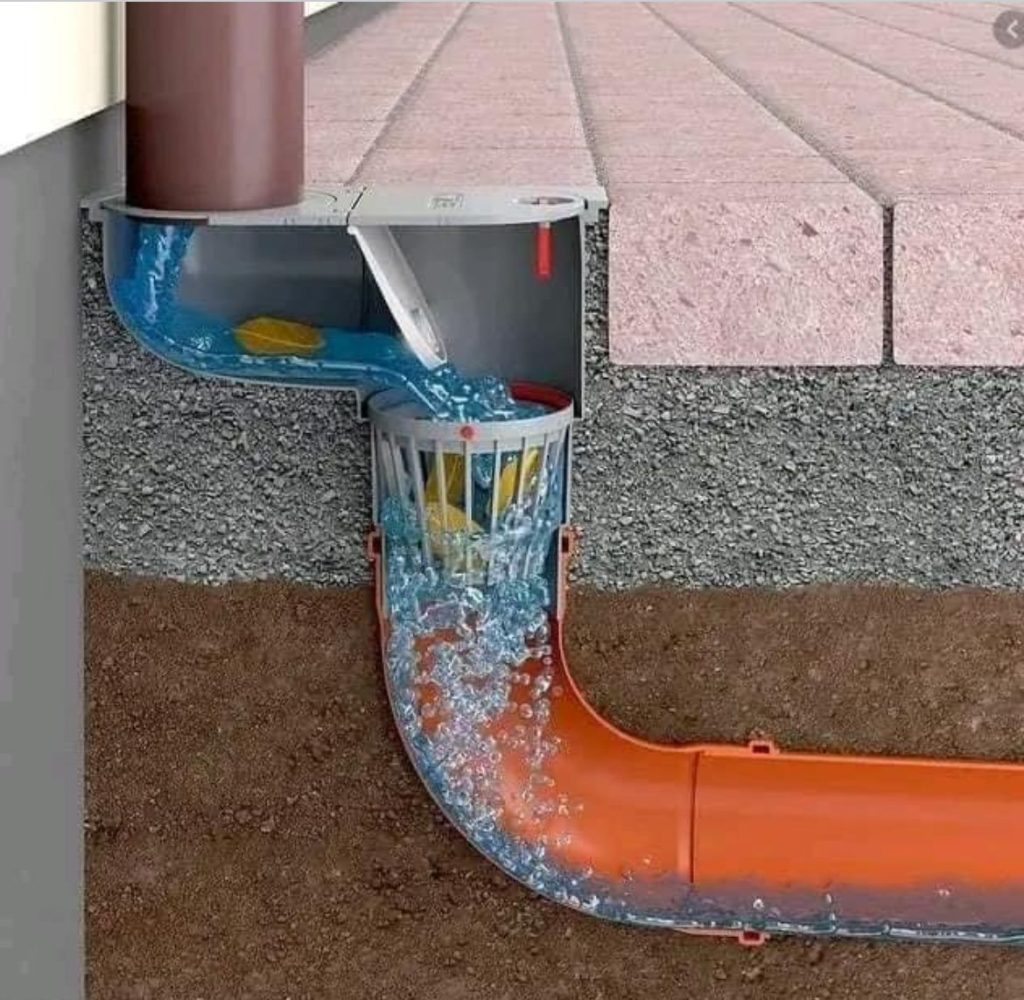
Or downspouts, which direct the water that hits the drains down to the earth. Suckers’ elbows to zorch that downspout water UP the wall. Afterwards, repair it with brackets. Ensure your downspout termination is AWAY from your foundation.
A majority of Rain Gutter Services recommend adding extensions or splash blocks for additional protection, especially in areas with poor drainage.
Testing the Gutter System after Installation
Once the installation has been completed testing the system is essential. Make use of the garden hose to simulate rain and check for leaks, overflows or any other drainage issues. Hear rain downspouts and gutters.
If water backs up or lands on the edge of the gutter, some adjustment is needed. Pro Rain Gutter Services actually comes out to check on their install to make sure it’s working.
Common Mistakes to Avoid When Installing Rain Gutters
Common errors include poor slope, hanging hangers that are loose Poor sealing, and bad downspout design. These errors can cause water leaks, sagging gutters or water damage over time.
Utilizing a professionals Rain Gutter Services helps avoid these issues and ensures the gutters are constructed according to the local standards. Even when you are installing the gutters yourself, these errors will help you get better results.
When to Hire Professional Rain Gutter Services
Although DIY installation is feasible, the experts can help. Rain Gutter Services offers expertise in efficiency, effectiveness and long-term reliability. They can suggest the most effective materials, make seamless gutters and manage complex roof designs in a safe manner.
Homeowners who own multi-story homes or are not exposed to working in heights frequently discover that employing experts could reduce time and decrease the risk.
Maintaining Your Rain Gutters for Long-Term Performance
Following installation, regular maintenance will ensure your gutters are functioning properly. They must be cleaned at least every year to remove leaves and debris. Check the roof for leaks, loose hangers or obstructions after major storms.
There are many Rain Gutter Services that also offer maintenance plans that will prolong the life of your gutters as well as avoid costly repairs.
How to Install Rain Gutter Systems
Understanding how to set up rain gutter systems will give you a valuable understanding of how to protect your house from water damage. Whether you’re selecting the ideal products, adjusting the slope, or doing a system check, everything counts. Then there are homeowners who take the DIY route. But the professionals at Rain Gutter Services offer reassurance with their expert installation and continuous service.
FAQ’s
What tools are needed to install rain gutters?
Basic tools include a ladder, drill, measuring tape, level, sealant, and gutter hangers. Many homeowners choose Rain Gutter Services because professionals already have the proper tools and safety equipment.
How long does it take to install rain gutters?
A standard home usually takes one day for installation. Larger homes or seamless systems may take longer, which is why professional Rain Gutter Services are often recommended.
Can I install rain gutters by myself?
Yes, rain gutters can be installed as a DIY project, but mistakes can cause leaks or water damage. Hiring Rain Gutter Services ensures correct slope, secure mounting, and proper drainage.
What is the best material for rain gutters?
Aluminum is the most popular choice due to its durability and low maintenance. Rain Gutter Services can also install vinyl, steel, or seamless gutters depending on your needs.
How often should rain gutters be cleaned?
Rain gutters should be cleaned at least twice a year, usually in spring and fall. Many Rain Gutter Services offer maintenance plans to keep gutters working properly.