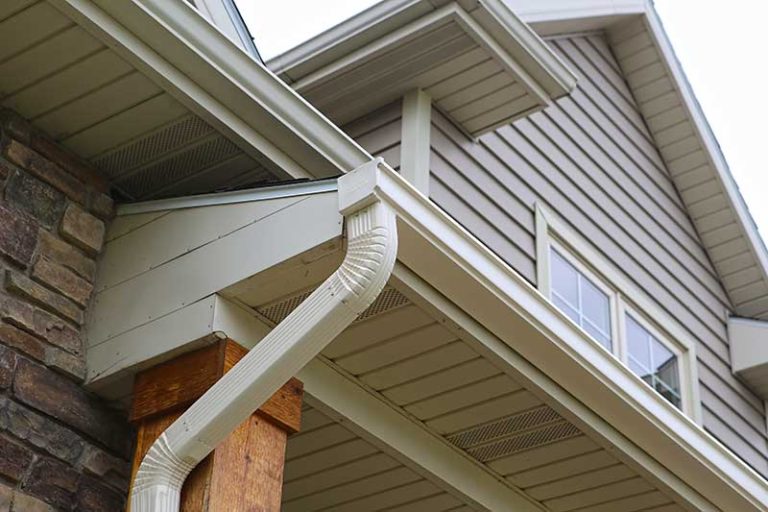
Installation of seamless rain gutters is one of the best ways to protect your home from water damage and enhance its appearance, both of which will benefit your home from an aesthetic standpoint as well as from protection from leakage and erosion. Unlike traditional sectional gutters, seamless rain gutters are tailored specifically for each roof contour; thus reducing leaks and improving durability. Understanding how seamless rain gutters should be installed will assist homeowners in understanding this procedure better, providing greater planning capabilities while making sure this task is carried out accurately, regardless if hired an outside expert or DIY installation themselves.
Understanding Seamless Rain Gutters
A seamless rain gutter is a continuous piece of material that runs along the edge of your roof without joints or breaks, except at downspouts or corners. This design reduces leakage risks while simultaneously creating an appealing aesthetic, without visible joints between sections – except where downspouts or corners meet up with them. Precise measurements and placement ensure optimal drainage, long-term durability, and seamless rain gutters.
Why Seamless Rain Gutters Are a Smart Choice
Homeowners typically choose seamless gutters because of their long-term durability. Not only can these durable systems last longer with reduced maintenance requirements, but they’re also easier to keep clean than sectional options. With fewer seams, debris will have fewer places to build up, and this means a lower chance of clogging and a more efficient flow of water. The seamless gutter can improve curb appeal by blending into the exterior of your house and offering a smooth, flat surface. These benefits make them a popular option for new construction and home renovations.
Preparing for Installation
When installing seamless rain gutters, correct preparation is crucial. The roofline needs to be examined to ensure that the fascia boards are strong and free of rot damage. The gutters that are in place should be removed with care, and the surface must be cleaned so that the new one can be properly joined. Measurement of the length of the roofline is among the most crucial steps since seamless gutters are cut to match the exact dimensions of your home.
Choosing the Right Material
Rain gutters that are seamless are typically constructed of steel, aluminium or copper. Aluminium is light and resistant to rust. It is also durable and economical, making it the most preferred choice. Steel is stronger; however, it requires a protective coating to stop corrosion. Copper has a luxurious appearance and a long life span, but at a higher price. The selection of the best material depends on the climate, budget and your aesthetic preferences.
Measuring and Planning the Slope
An efficient drainage system requires an appropriate slope. Gutters must be installed with a slight downward pitch towards their downspouts so water runs efficiently, and when planning, downspout placement should be determined carefully to direct it away from the foundation. Proper planning at this early stage can help avoid future issues with standing water or overflow.
Forming the Seamless Rain Gutter
One of the key steps in installing seamless rain gutters is forming them on-site using a special machine. This device uses one roll of metal to form it into an ideal gutter shape based on measurements taken beforehand, guaranteeing an exact fit along the roofline without extra joints or connections. Installation typically requires professional expertise, so many homeowners opt for professional installation for this step.
Attaching the Gutters to the Fascia
Once a seamless rain gutter has been formed, it should be carefully lifted and secured along the fascia board. Hangers often used for this task are hidden ones to give an unobtrusive appearance while providing strong support; their spacing ensures stability over time without sagging over time; proper attachment guarantees heavy rain won’t wash away from the roof.
Installing Downspouts Correctly
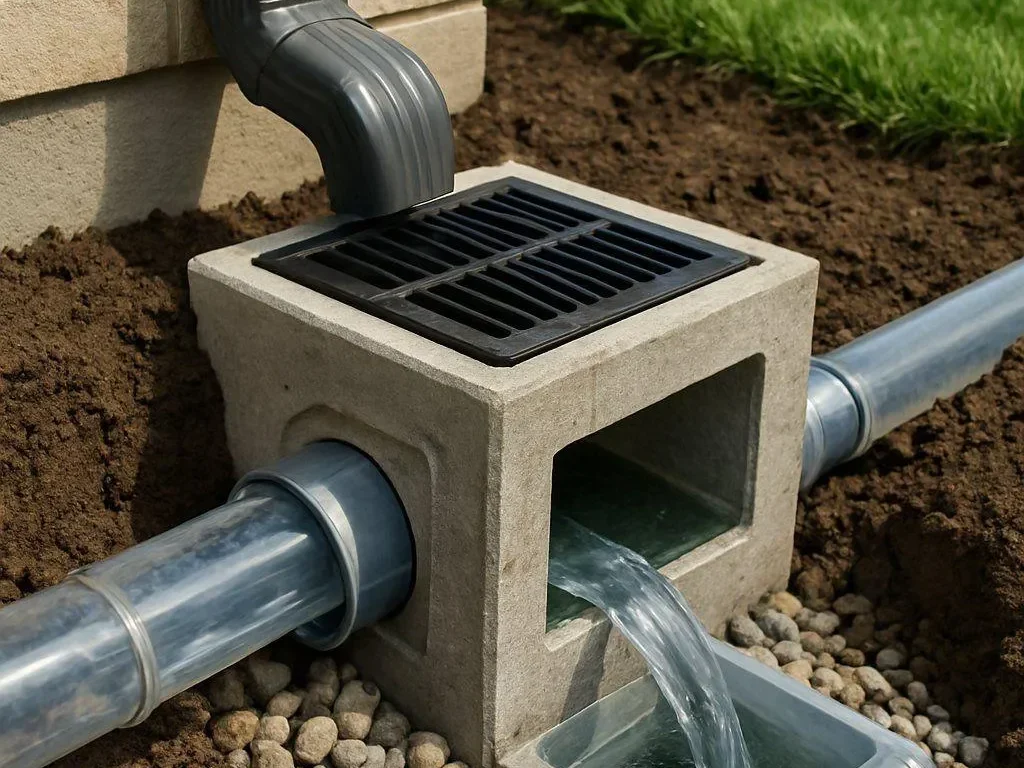
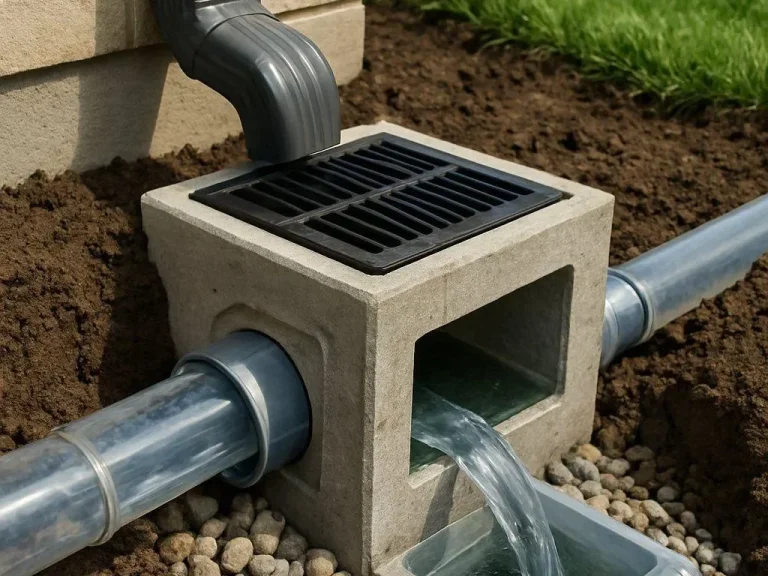
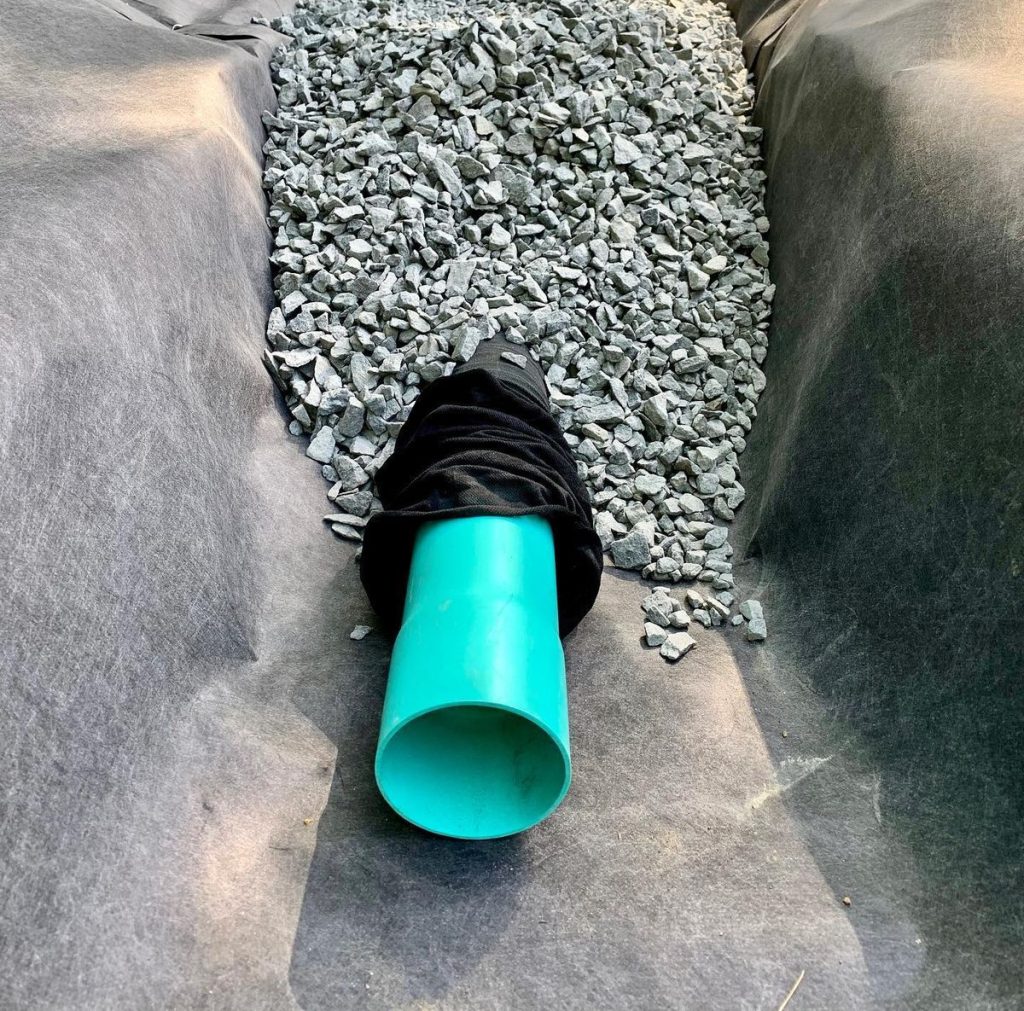
Downspouts play an essential part in diverting water away from your home safely. Attached to gutter outlets at strategic points along exterior walls, downspouts should extend away enough from the foundation to prevent pooling near its base – for optimal performance, they must also be properly aligned and fastened securely for effective drainage.
Sealing and Finishing Touches
Sealing around corners and downspout connections is essential to seamless systems to avoid leaks and to increase durability. A high-quality sealant is recommended in these areas to stop leaks and increase the durability and strength of the structure. After sealing, make sure to check for stability and alignment, as well as colour match, or make any changes required before looking at the colour match, or making any further adjustments if needed to ensure that it is seamless to the outside of your house.
Testing the System after Installation
When the installation is complete, after installation, the seamless rain gutters should be tested using water to check the flow. This test can reveal issues that may be causing leaks, alignment, or drainage issues. Testing will verify that the system is operating properly before exposure to a large amount of rain. Making small adjustments before the rain starts can save you from costly repairs later.
Maintenance Tips for Long-Term Performance
While seamless gutters require less attention than sectional systems, regular inspections are vital. Leaves, dirt and other debris must be removed on a regular basis to ensure that water flows smoothly. The inspection of sealants and hangers every year is a way to ensure structural quality. If properly maintained, seamless rain gutters can last for a long time and provide security that is dependable.
When to Hire Professionals
While it is beneficial to understand the steps involved in creating seamless rain gutters Professional installation is generally advised. The equipment used to make seamless gutters is expensive and requires a skilled operator to function correctly. Experts ensure that measurements are precise and that they have a correct slope and secure fixing, which reduces the risk of having problems that recur. The experts in hiring will cut time and provide security.
Seamless Rain Gutter Installation
The installation of seamless rain gutters is an investment purchase that will protect your property from damage caused by water while improving its appearance. Understanding the process of installation can help homeowners make informed choices and appreciate the workmanship involved. If you are planning to employ experts or simply understand the process, knowing the best way to install seamless rain gutters demonstrates the reasons why this is among the best options for long-term drainage and home security.
FAQ’s
What is a seamless rain gutter?
A seamless rain gutter is a continuous gutter system made from a single piece of material, reducing leaks and improving water flow compared to sectional gutters.
Are seamless rain gutters better than traditional gutters?
Yes, seamless rain gutters offer fewer leaks, less maintenance, and a cleaner appearance, making them a long-term solution for protecting homes.
Can homeowners install seamless rain gutters themselves?
While understanding the process is helpful, seamless rain gutters usually require professional equipment and experience for proper installation.
How long do seamless rain gutters last?
With proper installation and maintenance, a seamless rain gutter system can last 20 years or more depending on material and climate.
Do seamless rain gutters increase home value?
Yes, they improve curb appeal and protect the foundation, which can positively impact a home’s value.